So, where does hydroxyapatite come from?
There are two main potential sources: natural and synthetic. Let’s look at the natural sources first:
1. Natural hydroxyapatite
Naturally occurring hydroxyapatite can be sourced from two main origins:
Animal-derived hydroxyapatite
Historically, hydroxyapatite has been extracted from animal bones and teeth, most commonly from bovine or porcine sources. It is obtained through the cleaning and deproteinization of bones or teeth, followed by calcination at high temperatures, a process that converts the remaining mineral material into hydroxyapatite.
Disadvantages:
• Risk of biological contamination if the process is not rigorous;
• Ethical concerns (animal origin);
• Not suitable for vegans or certain cultural markets;
• Greater variability between batches.
Today, its use is declining, especially in cosmetic and oral care products.
Recycled hydroxyapatite can also be produced by recovering calcium phosphate from biological waste streams, such as fish bones, eggshells, or other calcium-rich by-products from the food industry. Through controlled chemical and thermal processing, these materials are converted into hydroxyapatite with more standardized properties than traditionally extracted biological sources.
Although derived from biological materials, this approach emphasizes sustainability, waste valorization, and improved process control.
.png)
Geological hydroxyapatite
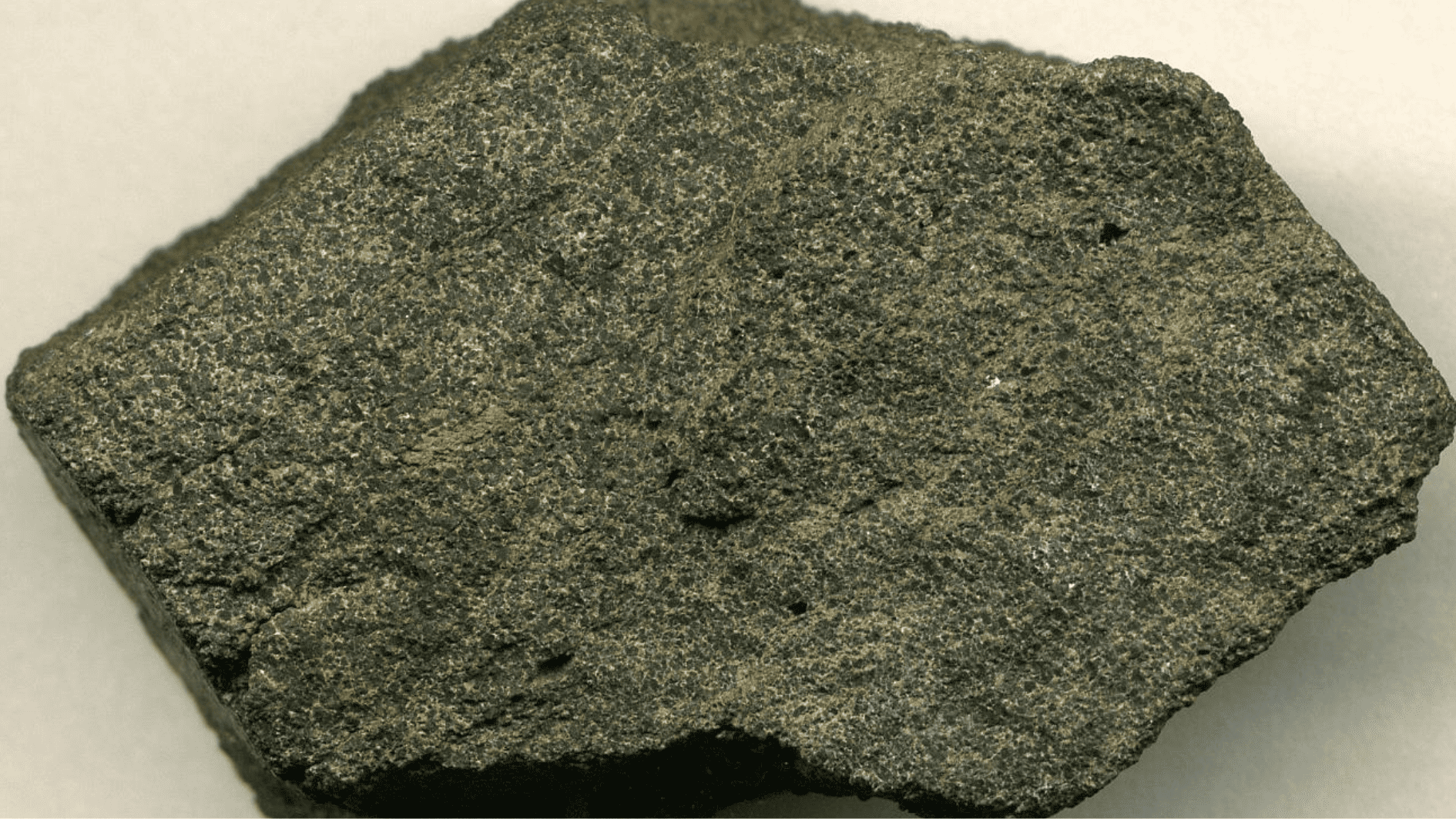
Geologically derived hydroxyapatite is obtained from natural phosphate rocks, in which it occurs as part of the apatite group of minerals. These minerals are mined and subjected to crushing, milling, and purification processes in order to isolate the hydroxyapatite-rich phase. However, their chemical composition is often variable due to the presence of other apatite and mineral impurities.
Disadvantages:
• Compositional and structural variability;
• Possible presence of impurities and heavy metals;
• Need for rigorous purification processes;
• Limited application in biomedical and cosmetic fields.
At present, this source is mainly relevant for industrial applications and is rarely used in products intended for direct contact with the human body.
2. Synthetic hydroxyapatite
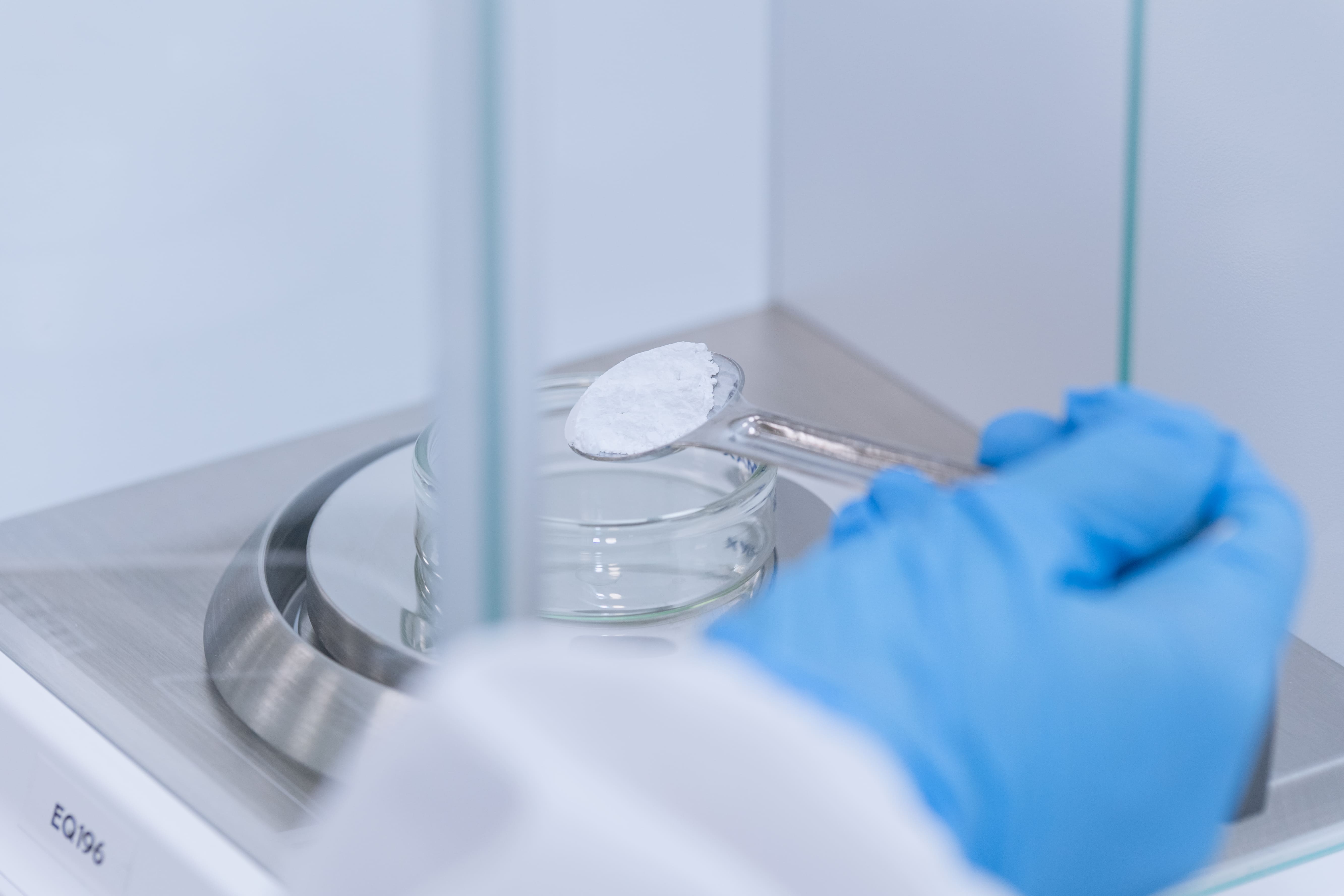
Synthetic hydroxyapatite is produced in the laboratory through controlled chemical reactions between purified calcium and phosphorus sources. It is typically manufactured by chemical precipitation under carefully controlled conditions,with precise adjustment of pH, temperature, and reaction time. This allows accurate control over particle size, whether at the micro- or nanoscale.
Advantages:
• High purity and consistency;
• Free from biological contaminants;
• Suitable for medical and dental applications;
• Can be vegan and halal.
Although more expensive, it is the preferred option for high-quality toothpastes, medical biomaterials, and scientific research. When quality and safety are the priority, the investment is justified.
All nanoXIM products are fully synthetic, guaranteeing the utmost quality and safety while preserving the efficacy and nature-identical properties of hydroxyapatite. This approach sets a new standard for innovation and performance in oral care formulations.
Conclusion
When you see “hydroxyapatite” on an ingredient list, it is worth asking not only what it is, but also where it comes from and how it was produced.
Today, synthetic hydroxyapatite represents the benchmark in terms of safety, efficacy, and quality control, particularly in oral care and medical applications.
In an increasingly informed market, the origin of raw materials is no longer a mere technical detail: it is a fundamental part of consumer trust.